
Real Estate
Minnesota Constitutional Amendment: Will voters approve an increase in funding to school districts?
By Katherine Langford
Advertisement · Why this ad?
Marcus manages the day-to-day editorial workflow across all brands, coordinating coverage assignments and ensuring editorial standards are met. He previously served as city editor at the Pioneer Press and holds a degree in Political Science from Carleton College.
More from Marcus →
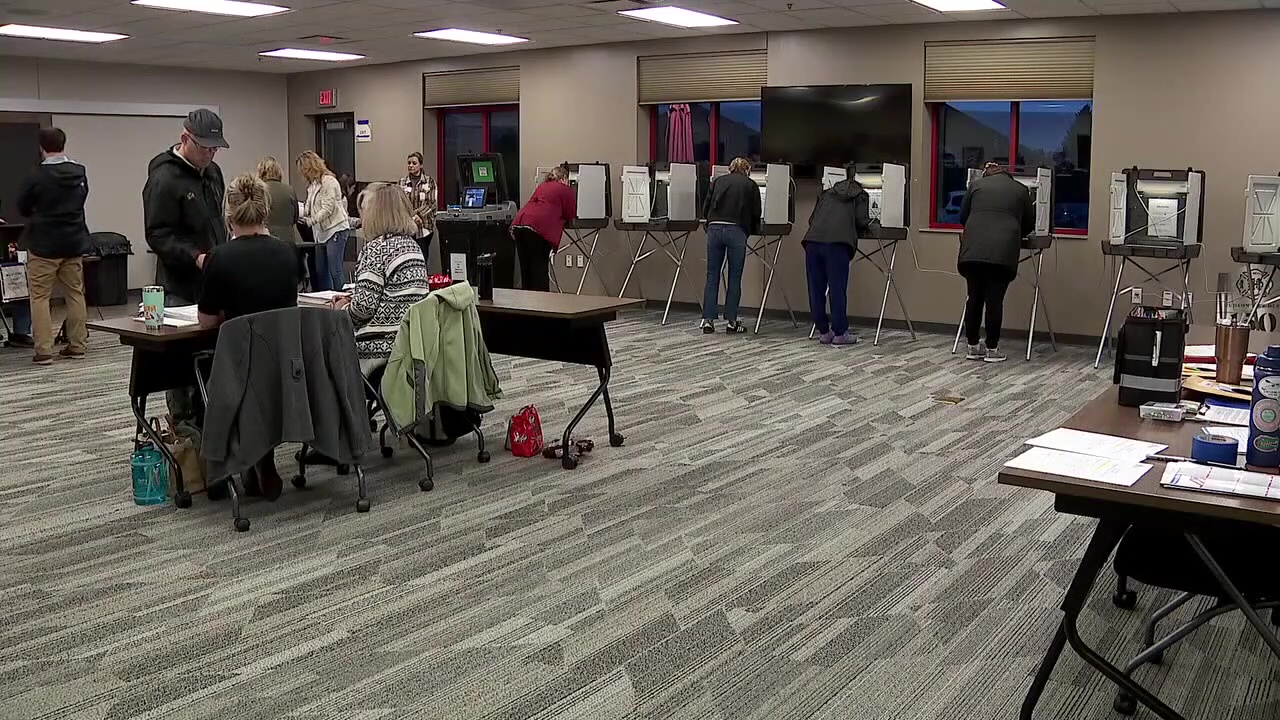
As the sun set over Tampa on election night, cheers erupted from a crowd gathered outside the voting precinct. Florida voters had just made history by passing Amendment 3, a sweeping property tax reform that promises significant relief for homeowners and commercial landlords alike. With over 60% approval, the amendment marks a pivotal change in the state’s tax structure, fundamentally altering the way property taxes are assessed.
On election day, Florida voters decisively approved Amendment 3, clearing the necessary 60% supermajority threshold. This amendment overhauls property tax exemptions and caps statewide, ushering in a new era for homeowners and businesses. The measure expands exemptions for primary residences while simultaneously reducing allowable yearly assessment increases on commercial properties and rentals.
Under the new rules, baseline homestead protections will rise significantly, increasing from $25,000 to $250,000 for non-school property taxes by 2028. This phased increase is designed to alleviate the burden on Florida homeowners who have faced rising property values and costs of living.
Starting January 1, 2027, the annual assessment growth limit for non-homestead properties will be cut from 10% to 5%. This change aims to protect commercial landlords and rental property owners from sudden spikes in market assessments, providing a more stable financial environment for businesses.
The implications of Amendment 3 are profound for Florida residents. Homeowners can expect a substantial reduction in their property tax bills, which provides much-needed relief amid rising costs. The new exemption structure allows families to retain more of their earnings, potentially fostering greater economic stability and community investment.
Local resident Maria Gonzalez, a Tampa homeowner, expressed her relief: "This change is a blessing. My property taxes have been escalating every year, and it was becoming unsustainable. Now, I can focus on my family and community instead of worrying about taxes."
For commercial landlords, the amendment offers a safeguard against unpredictable market fluctuations. With the assessment growth limit reduced, landlords can better plan their budgets and investments, ultimately benefiting tenants as well.
While the benefits of Amendment 3 are clear, the measure has not been without controversy. City and county officials have raised alarms about potential revenue shortfalls that could amount to tens of billions of dollars over the next five years. Critics warn that local governments might be forced to cut essential public services or increase millage rates to compensate for the loss.
"We are concerned about how this will impact our ability to provide services to the community," said Tampa Mayor Jane Smith. "We need to ensure that we can maintain our infrastructure and public safety without overburdening residents with higher taxes elsewhere."
Despite these concerns, supporters of the amendment argue that the relief it provides to families struggling with rising home values and living costs outweighs the potential drawbacks. They contend that the amendment is a necessary step towards ensuring that Florida remains an affordable place to live and work.
Amendment 3 fundamentally alters the previous tax structure in Florida. Under the old rules, primary homeowners had a baseline exemption of $25,000 across all property taxes, along with a non-school exemption of approximately $51,411. The amendment retains the $25,000 school-tax deduction while significantly boosting non-school exemptions.
Beginning January 1, 2027, the non-school exemption will jump to $150,000, with a further increase to $250,000 on January 1, 2028. After that, adjustments will be made annually based on inflation starting in 2029.
This gradual increase is designed to provide a cushion for homeowners, allowing them to adapt to changing economic conditions without the fear of sudden tax hikes. The phased approach reflects a commitment to both immediate relief and long-term sustainability.
As Florida moves forward with the implementation of Amendment 3, community leaders and residents alike will be watching closely. The amendment is set to take effect in stages, with significant changes rolling out over the next few years. This transitional period will be critical in determining the amendment’s overall impact on local economies and public services.
In the meantime, residents are encouraged to stay informed about the changes and how they may affect their property taxes. The Florida Department of Revenue will provide updates and resources to help homeowners and landlords navigate the new regulations.
The passage of Amendment 3 is not just a shift in tax policy; it has broader implications for Florida’s economy. By reducing the tax burden on homeowners and commercial properties, the amendment may stimulate local economies. Homeowners who save on property taxes may choose to spend that money on home improvements, local services, or community activities, thereby boosting local businesses.
Moreover, for commercial landlords, the reduced assessment growth limit can lead to more predictable cash flows. This stability allows for better long-term planning and investment in properties, which can enhance the quality of rental spaces available to tenants. Local businesses may benefit from more favorable leasing conditions, which could encourage entrepreneurship and innovation in the region.
Community leaders and residents have expressed a range of opinions about Amendment 3. While many homeowners are celebrating the potential for reduced taxes, some local government officials worry about the long-term implications for public services. "This isn't just about taxes; it's about the community's future," said local council member Sarah Thompson. "We need to find a balance between providing relief to homeowners and ensuring that our city can continue to function effectively. Public safety, infrastructure, and community services are all at stake here."
In contrast, advocates for the amendment emphasize the urgency of addressing the financial pressures faced by families. Florida resident James Lee shared his thoughts: "For too long, we’ve been pushed out of our homes due to rising property taxes. This amendment gives us hope that we can stay in our neighborhoods and continue to contribute to our communities."
As the state prepares for the implementation of Amendment 3, various government agencies will need to work together to ensure a smooth transition. The Florida Department of Revenue will be tasked with updating tax codes and informing residents about the new regulations. Local governments will also need to adjust their budgets and financial plans to accommodate the changes.
Residents can expect informational sessions and workshops in the coming months to help them understand how the new property tax structure will affect them. Local leaders are urged to engage with their constituents to address concerns and provide clarity on how the changes will be implemented.
Ultimately, Amendment 3 represents a significant shift in Florida’s approach to property taxation, aiming to create a more equitable system that benefits families and businesses. The success of this measure will depend not only on its implementation but also on the ongoing engagement of the community in shaping a sustainable future.
By Katherine Langford
By Katherine Langford

By Katherine Langford

By Marcus Chen